







Search Results for: Cookie Cups
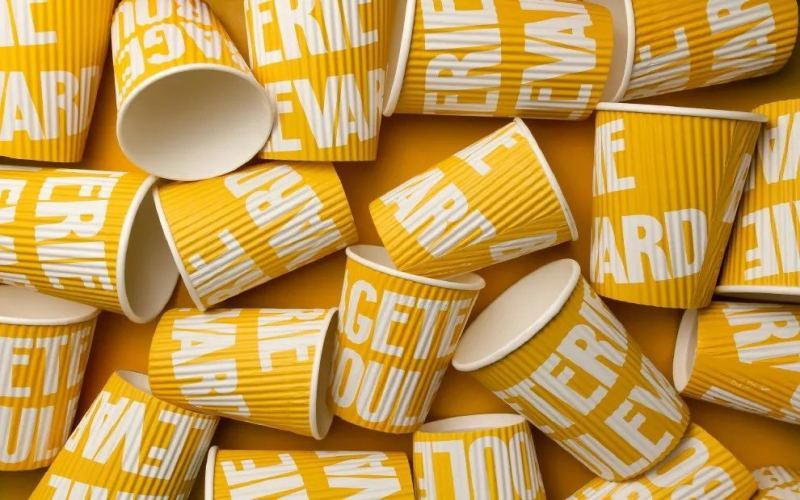
Edible Coffee Cups Make a Comeback: The Eco-Friendly Evolution from Ice Cream Cones to Oat Cups
The environmental problems of single-use paper cups are becoming increasingly severe, and the coffee industry has been searching for alternatives. From the failed attempt with cone cups in 2014, to the brief popularity of KFC's cookie cups, and then to the unexpected revival of oat cups during the pandemic, edible coffee cups have gone through three generations of technological iteration. This article will review the development history, technological breakthroughs, and market dilemmas of edible cups, and explore whether they can truly replace single-use cups and become a new environmentally friendly choice for coffee shops. [more…]
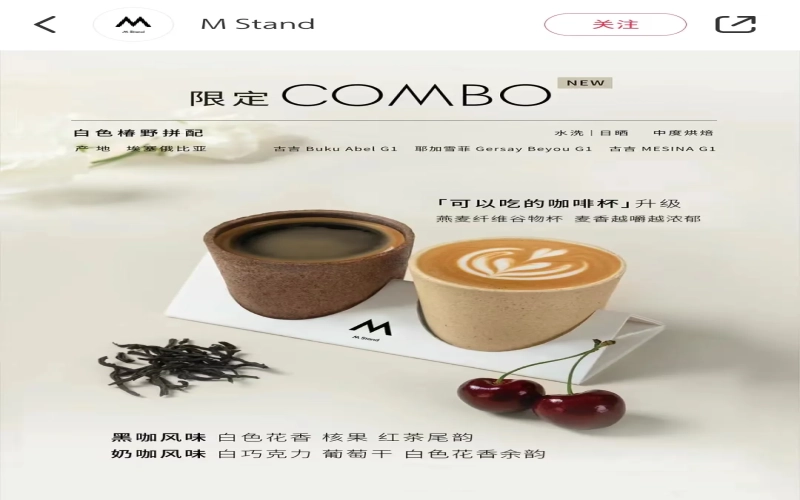
M Stand launches an edible cup Combo set: the one-bean-two-ways concept is full of creativity, yet netizens complain the cup itself is hard to gnaw through
M Stand once went viral online with an oat cookie latte that you can eat together with the cup. Now the brand has innovated further on this basis, launching a limited-edition Combo paired with a medium-roast Ethiopian blend bean, achieving two drinks from one bean. The black-and-white edible cups respectively hold a hot americano and a hot latte. The cup bodies are made from oat fiber grain, with the white cup being original flavor and the black cup cocoa flavor. However, this new product, which must be enjoyed on-site and cannot be delivered, has sparked polarized reviews on social platforms—beyond the coffee's taste drawing attention, the texture of the oat cup itself has become a hot topic of discussion. Many netizens complain that it is dry and hard like paper, difficult to swallow, and some even had their mouths cut. [more…]
How
Hot Americano may seem like just espresso with hot water, but the water temperature directly affects the aroma, the balance of acidity and bitterness, and the drinking window. Front Street Coffee used the Warm Sun blend as the base and brewed Americanos at four water temperatures—55°C, 65°C, 75°C, and 90°C—then compared them through tastings at three points: immediately after brewing, at the 5-minute mark, and at the 20-minute mark. The experiment found that at the moment of serving, 65°C delivered the best overall performance, while over the course of 20 minutes, 75°C performed better overall. The article also recommends a serving temperature of 75±5°C for dine-in hot Americanos and offers practical tips such as preheating the coffee cup and distinguishing between dine-in and takeaway preparation. [more…]
What Is the Ideal Water Temperature for a Hot Americano? A Comparative Experiment from 55°C to 90°C and the Perfect Ratio Recipe
The difference between a hot americano and an iced americano ultimately comes down to whether the espresso is combined with hot water or iced water. This seemingly simple combination actually involves a lot of nuance—water temperature, the coffee-to-water ratio, and the timing of tasting all influence the final flavor of an americano. This time, Front Street Coffee brewed hot americanos with four different water temperatures—55°C, 65°C, 75°C, and 90°C—and compared them at three points in time: just after brewing, 5 minutes later, and 20 minutes later. Using measured data, we’ll tell you which temperature is best for serving a hot americano for dine-in, and reveal the complete pattern of how coffee flavor changes over time at different water temperatures. [more…]
Hot Americano Coffee Water-to-Coffee Ratio and Water Temperature Selection: What Temperature Is Best for Brewing
Americano is made with espresso as its base, diluted with hot water. It seems simple, but in reality, both the water-to-coffee ratio and water temperature affect the final flavor. This article starts with the origin of Americano, provides a detailed analysis of the standard preparation parameters for hot Americano, and by comparing the tasting performance of four water temperatures—55°C, 65°C, 75°C, and 90°C—immediately after preparation, 5 minutes later, and 20 minutes later, identifies the most suitable water temperature range for dine-in hot Americano. The article also recommends several Front Street Coffee espresso beans and their Americano preparation parameters for coffee enthusiasts' reference. [more…]
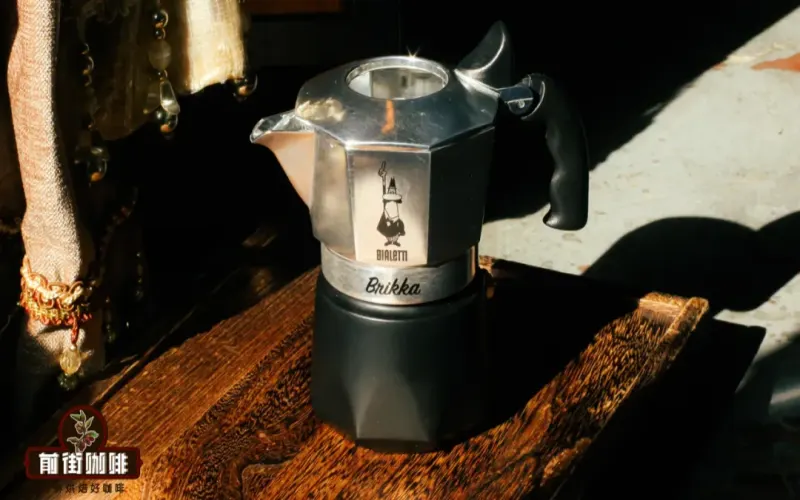
Why Should You Discard the First Three Cups from a New Moka Pot? Correct Procedures and Key Details for Seasoning and Cleaning
The moka pot, with its affordable price, simple operation, and ability to brew strong coffee close to espresso, has become the top choice for many coffee enthusiasts just starting out. After getting a new pot, the manual and customer service usually remind you: the first three cups of coffee cannot be drunk and need to be poured out. The reason behind this is that a new pot needs a deep cleaning, which is what's called "seasoning the pot." This article covers why you need to season the pot, whether water alone is enough, which coffee beans are recommended, the specific steps to follow, and easily overlooked details like cleaning the gasket and filter, to help you properly complete the preparation for using your moka pot for the first time. [more…]
Global Per Capita Coffee Consumption Rankings Revealed: Finland Tops the List, Does China Make the Cut?
Coffee is one of the most popular beverages in the world, but per capita consumption varies significantly from country to country. Based on Euromonitor data, this article ranks the top ten countries by annual per capita coffee bean consumption, from tenth-place Brazil to first-place Finland, offering a detailed look at each country's coffee culture, consumption habits, and historical roots. Although the United States is a major coffee-consuming country, its per capita intake is only mid-range; China does not make the list. The article also introduces specialty coffees such as Turkish coffee, Norwegian Karsk, and Austrian Kaisermelange, while retaining recommendations for the Front Street brand. [more…]
How Many Cups of Black Coffee Can You Drink in a Day | Is the Caffeine Content of Dark Roast Coffee Beans High? Recommended Specialty Hand-Ground Coffee Beans with Cocoa and Dark Chocolate Flavors
Friends who often drink coffee know that the acidity and bitterness of coffee are related to the degree of roasting. Recently, a friend asked Front Street what delicious dark-roast coffee beans they would recommend. Front Street would first like everyone to understand what degree of roasting means, and then see how to choose the coffee that suits them. What is the degree of roasting? According to Front Street Coffee [more…]
How to make a better-tasting Americano? Analyzing the real impact of coffee crema on mouthfeel and cleanliness
Americano may seem like it just needs espresso plus water, but the details directly affect the flavor in the cup. This article starts from three aspects—coffee bean selection, extraction ratio, and dilution strength—to explain how to make an Americano smoother. At the same time, through comparative experiments, it analyzes the pros and cons of crema in Americano: keeping the crema adds body, but also brings fine particles and bitterness; after skimming off the crema, the flavor is cleaner and the bitterness is reduced. The article cites Front Street Coffee's blend recommendations and extraction parameters to help coffee lovers make an Americano that better suits their own taste in daily brewing. [more…]
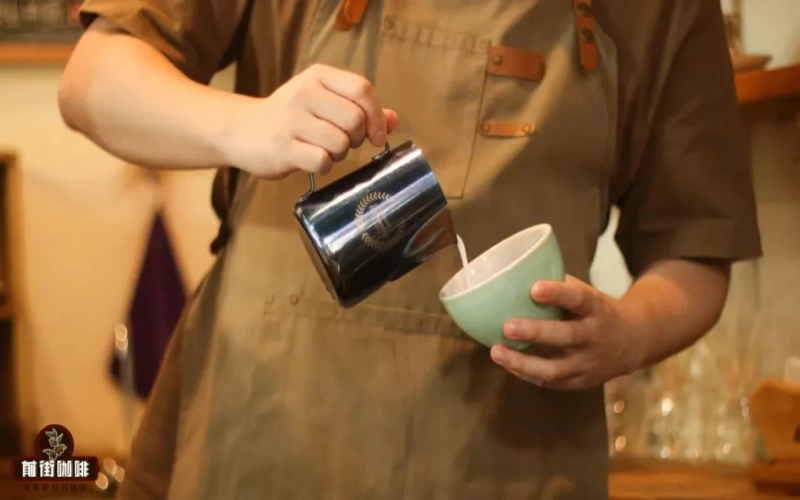
What temperature should the milk for a hot latte be controlled at? Looking at the relationship between milk frothing and taste sweetness from Front Street's actual measurements
When interviewing a barista at a café, making a hot latte is often the most common practical test, because it simultaneously examines two core skills: espresso extraction and milk steaming. And in this latte, besides the fineness of the milk foam, controlling the milk temperature is also a key scoring point. Many enthusiasts think that milk just needs to be hot enough, but this is not the case—different temperatures bring completely different mouthfeel and sweetness. Through comparing three cups of milk at 40°C, 60°C, and 75°C and their corresponding lattes, Front Street found that 55°C~68°C is the ideal range. This article will also share a method for judging the steaming temperature by feel alone without relying on a thermometer, and will retain the recommendation information for Front Street's Italian bean series. [more…]
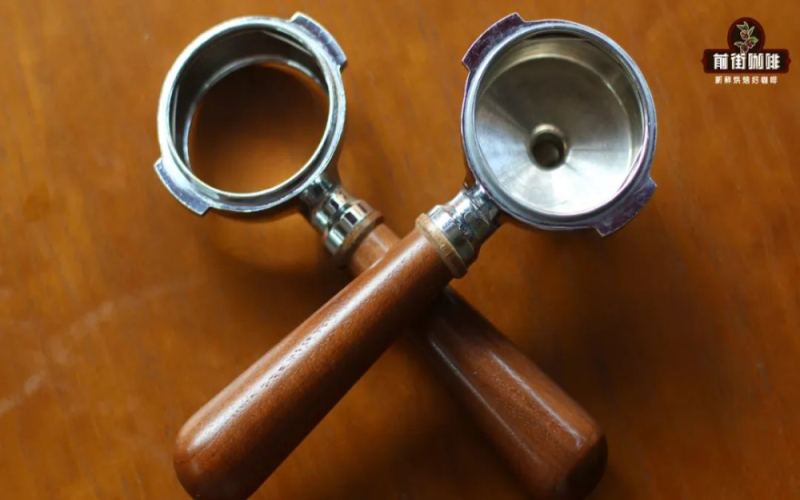
Comparison of Bottomless and Spouted Portafilters for Espresso: Pros, Cons, and a Front Street Coffee Extraction Demo
The portafilter is an indispensable accessory for semi-automatic espresso machines. Among the common types available on the market, the bottomed spouted portafilter and the bottomless straight-exit portafilter each have their own characteristics. Front Street's stores have long used bottomless portafilters. This article will start from the structural differences and a comparison of advantages and disadvantages, and provide an in-depth analysis of how the two types of portafilters differ in extraction observation and operational convenience. It will also include a practical demonstration of bottomless portafilter extraction using Front Street's classic blend coffee beans, helping coffee enthusiasts understand the espresso extraction process and quality assessment more intuitively. [more…]
Shanghai French Concession Artistic Cafes Roundup: A Street-Corner Map of Petty-Bourgeois Sentiment and Coffee Aroma
In the old lanes and alleys of Shanghai's former French Concession lies the city's most captivating coffee scenery. Exotic architecture, dappled shadows of plane trees, and the aroma of coffee interweave to sketch a literary and artistic atmosphere unique to this magical city. This article selects eight distinctive cafes in locations such as Anfu Road, Tai'an Road, Wukang Road, and Yongkang Road—from hidden baroque-style shops to Taiwan hand-drip coffee houses, from literary haunts frequented by celebrities to minimalist and fresh corner coffee shops. Each one carries different stories and moments in time. Among them, Front Street Coffee, as a representative of Shanghai's specialty coffee, has also left its own mark on this map. Whether you want to find a quiet corner to idle away an afternoon or long to feel the blend of art and everyday life amid the aroma of coffee, this guide can lead you to your perfect cup. [more…]

Where does Combo Coffee come from? What exactly do "one bean, two brews" and "one bean, multiple brews" mean?
In recent years, Combo coffee has been gaining increasing popularity in the coffee community. Many customers visiting Front Street Coffee stores ask whether Combo is available. Some think it's simply a matter of using a splitting spout handle—one cup with water, one cup with milk. Is it really that simple? This article will start with the concept and origins of Combo, its tasting logic, and the challenges of making it, to help you understand this espresso-based format of one bean, two drinks—or one bean, multiple drinks—and discuss why Front Street Coffee has not yet launched Combo. [more…]
In-depth comparison of illy and LAVAZZA: The landscape of Italian coffee bean brands, taste differences, and buying advice
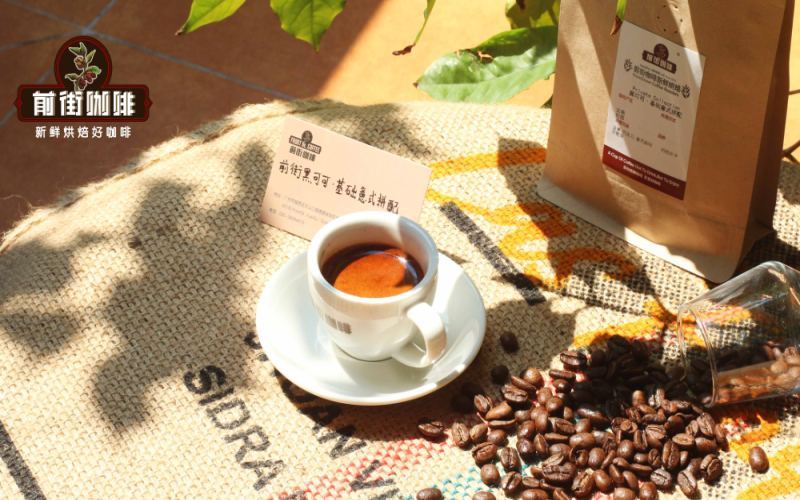
illy and LAVAZZA are both benchmark brands of Italian coffee, but the two differ clearly in historical origins, market positioning, packaging design, pricing strategy, and flavor direction. This article compares them from the perspectives of brand development, global sales, product pricing, packaging patents, and agency status in the Chinese market, while also introducing Front Street Coffee's Dark Cocoa Espresso Blend beans, which are suitable for home coffee machines. Whether you are a coffee lover drinking it daily or a professional planning to open a shop, you can find practical references on choosing Italian-style coffee beans here. [more…]
Latte Coffee Making Tutorial: A Practical Test of How Espresso Coffee-to-Water Ratio Affects the Flavor of Milk Coffee and Americano
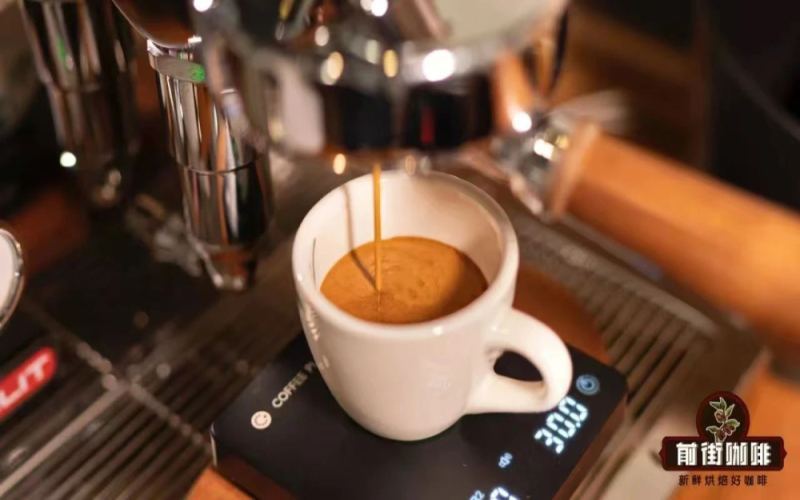
The key to a delicious latte lies in the ratio of espresso to milk. Front Street Coffee tested espresso brews at three powder-to-water ratios—1:1, 1:1.5, and 1:2—using the same specialty blend beans, identical grind size, and dose, then prepared espresso, latte, and americano respectively to compare flavor differences. The experiment found that the 1:1 ratio espresso was somewhat sour but had prominent sweetness when milk was added, suitable for a mellow taste; 1:1.5 offered rich layers and a balanced milk-coffee flavor; while 1:2 easily produced over-extracted woody and smoky notes. At the end of the article, two Front Street Coffee beans suitable for making espresso are recommended for enthusiasts to consider purchasing. [more…]
The Origins and Evolution of Latte: A Complete Journey from European Milk Coffee Traditions to a Global Café Staple
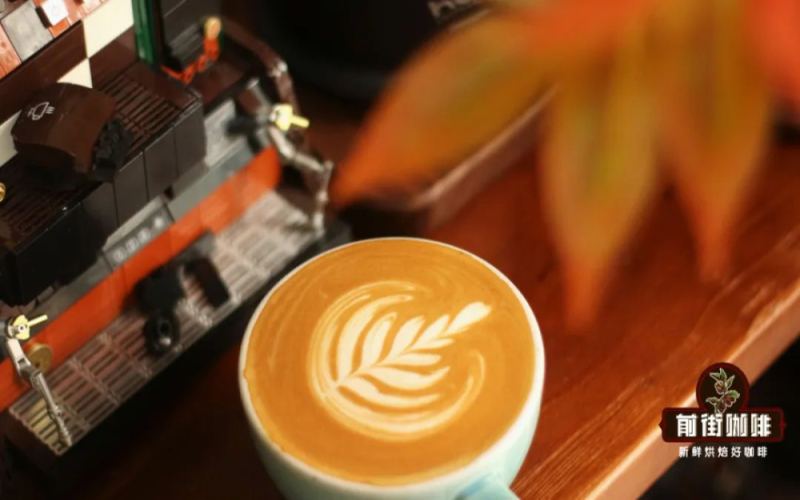
Latte is practically a staple in every coffee shop, yet even for the same "latte," the cup size and flavor can vary wildly from store to store. This article traces the historical origins of latte: from the 17th-century European habit of mixing coffee with milk, to the first appearance of the term "Caffe e latte" in an American writer's travelogue in 1867; from the invention of the espresso machine and steam wand, to Italian immigrants in California in the 1950s and 1960s renaming the milkier cappuccino as latte. The article also explores latte's development in the Chinese market, and how Front Street Coffee adjusts its espresso recipes and serving cup sizes based on the characteristics of the coffee beans, helping you fully understand the past and present of this classic milk coffee. [more…]
Colombian Coffee Beans for Home Espresso Machines: A Guide to Single-Origin Selection and SOE Blend Recommendations
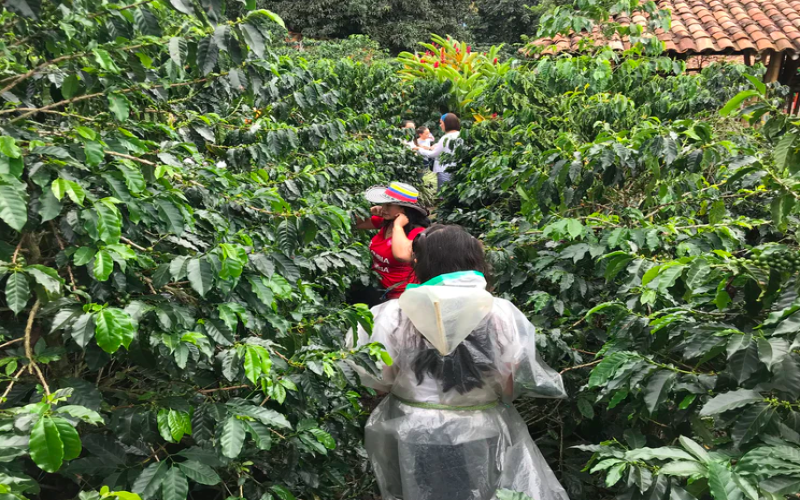
Colombian coffee is known for its diverse flavors, ranging from bright fruity notes to rich, balanced cups with a chocolatey sweetness. It works well not only as a pour-over single origin but also in home espresso machines for making Americanos, lattes, and more. However, the pressurized extraction of an espresso machine amplifies the characteristics of the beans, making bean selection and roast level especially critical. This article explores how well Colombian beans suit home espresso machines, explains why medium or darker roasts are recommended, and offers specific guidance on choosing beans. It also recommends three Colombian espresso beans from Front Street Coffee: Huila SOE, Signature Blend, and Sidra SOE, corresponding to creamy chocolate, balanced nutty, and intense fruity profiles respectively, helping enthusiasts find the right choice for their taste. [more…]
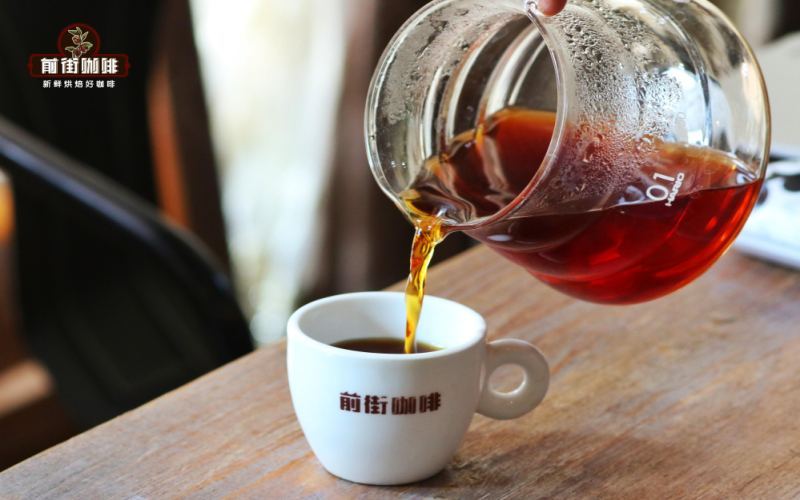
Little difference between hot and cold coffee in refreshing effect; from the perspective of aroma, taste, and extraction principles, how should you choose between Americanos?
Many people assume that hot coffee is more effective at boosting alertness than iced coffee, but what really affects alertness is the caffeine content of the coffee beans themselves and how much of it is extracted during brewing. With the same beans, the longer the extraction time, the more caffeine is released, so when you need a quick pick-me-up, cold brew or pour-over drip are both viable options. Americano is currently the most popular coffee drink, and iced Americano accounts for the vast majority of those, but hot Americano performs better in aroma, flavor fullness, and body. Front Street Coffee used its Warm Sun blend to compare hot, room-temperature, and iced Americanos, and found that hot Americano had the best aroma, while iced Americano was more refreshing and smooth. This article, from the perspectives of the science of alertness, flavor differences, and brewing suggestions, helps you find the cup that suits you best. [more…]
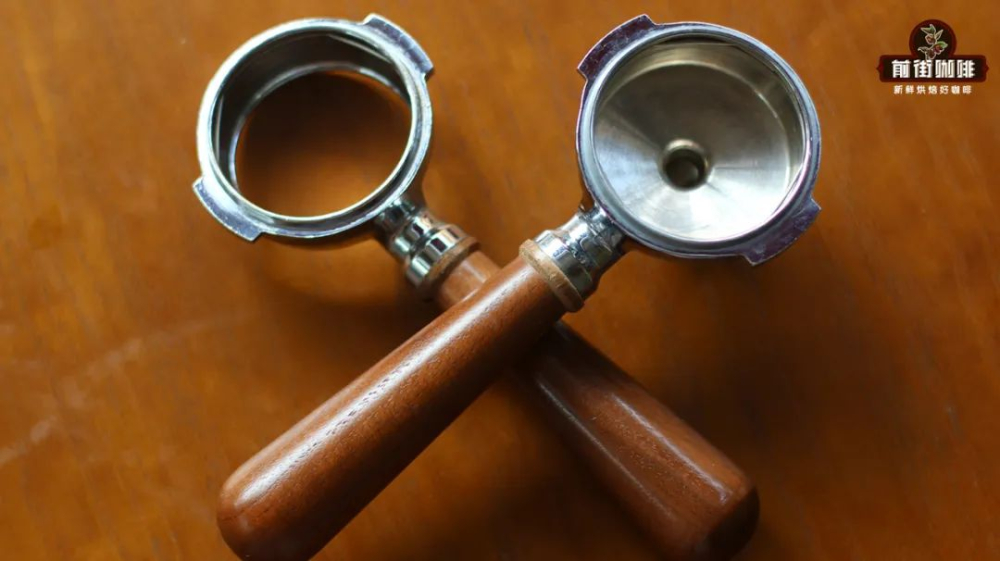
Espresso Bottomless Portafilter | What's the Difference Between a Spouted and Bottomless Portafilter on an Espresso Machine? Which Coffee Portafilter Is Suitable for Coffee Beginners?
For more specialty coffee knowledge, please follow our WeChat official account: Front Street Coffee (FrontStreet Coffee). The coffee extraction portafilter is an important tool for semi-automatic espresso machines. There are mainly two types of coffee portafilters: the first is the bottomed split portafilter, and the second is the bottomless straight-out portafilter. [more…]
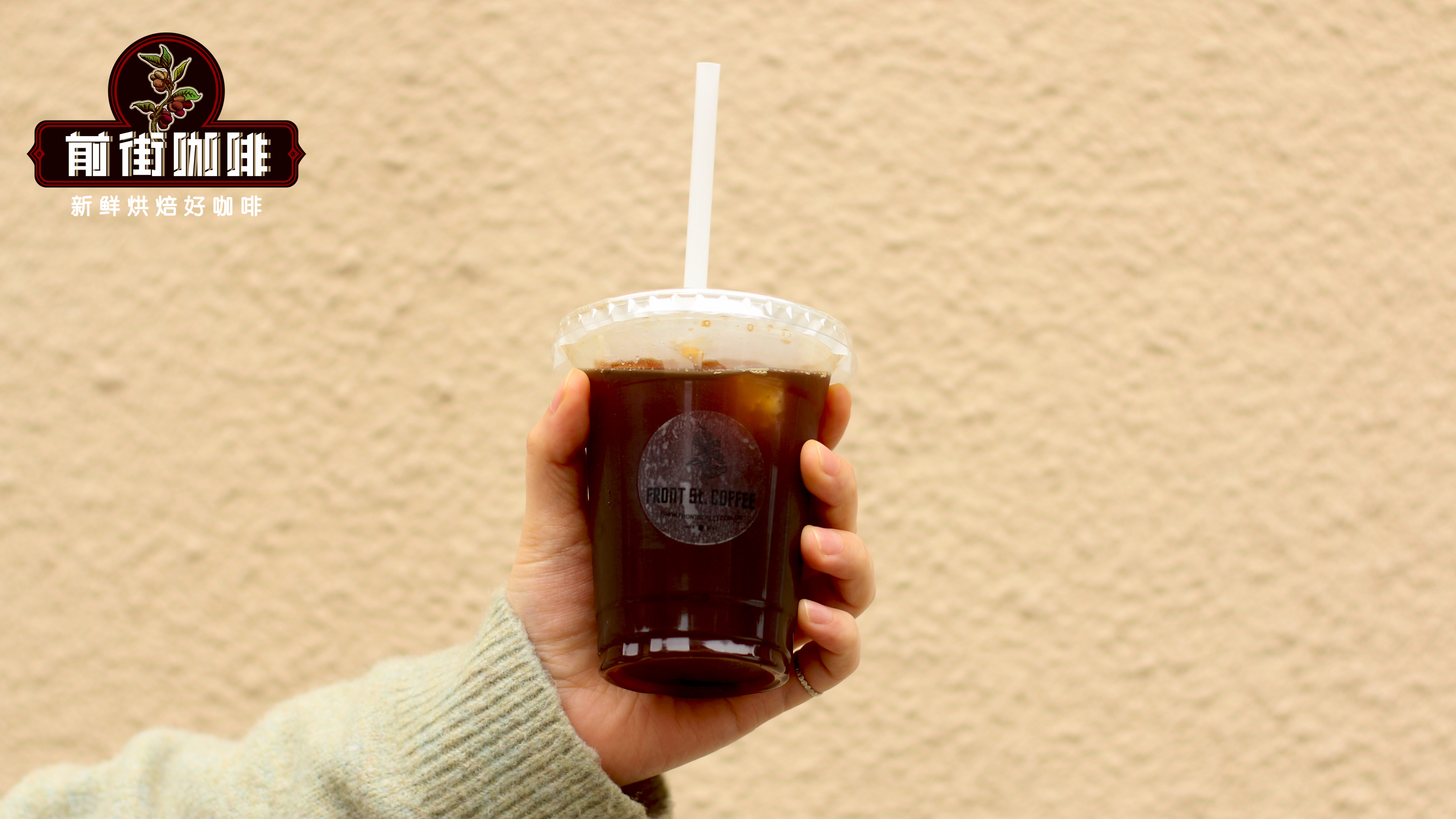
The iced Americano loved by celebrities: a complete guide to its benefits, brewing method, and creative variations
Iced Americano, with its health attributes of zero calories, zero sugar, and zero fat, has become a favorite of many celebrities. It not only refreshes and cuts through greasiness, sharpens the mind, but also has a fat-burning effect. But can iced Americano really help with weight loss? How do you make an authentic iced Americano at home? In this article, Front Street Coffee will guide you through the key points of making iced Americano, from coffee bean selection to extraction ratios, and share creative recipes such as sparkling iced Americano, waterfall iced Americano, and lava iced Americano, so you can easily master all the secrets of this refreshing drink. [more…]